.png)
Green Skills for the Future: Preparing Youth for Sustainable Careers
- Asociación PAFF

- Apr 15
- 2 min read
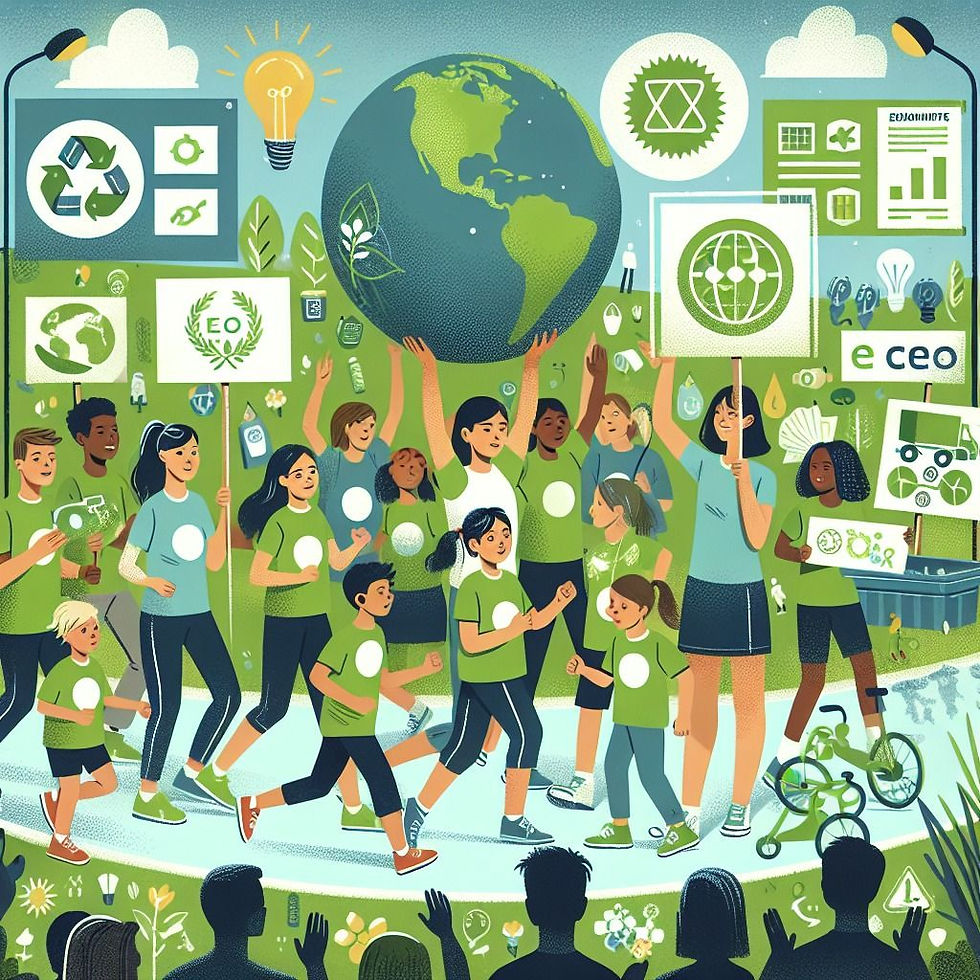
As the global economy continues to evolve, sustainability is becoming a central driver of innovation, employment, and long-term development. Climate change, environmental degradation, and resource scarcity are reshaping industries and creating new demands for skills that support ecological balance. In this context, “green skills” have emerged as essential competencies for the future workforce.
Green skills refer to the knowledge, abilities, and attitudes needed to live, develop, and support a sustainable and resource-efficient society. These include practical skills such as renewable energy management, sustainable agriculture, waste reduction, and environmental monitoring, as well as transversal skills like critical thinking, problem-solving, and systems thinking. Together, they prepare young people to contribute to environmentally responsible solutions across all sectors.
Youth engagement in green skills development is particularly important. Young people are not only the future workforce but also active agents of change in their communities. By equipping them with sustainability-oriented education and hands-on experiences, organizations can empower them to pursue careers that align with environmental values while actively contributing to climate action and ecological protection.
Non-formal education, environmental projects, and international programs such as Erasmus+ play a key role in this process. Through workshops, training sessions, and field activities like tree planting or recycling initiatives, young people gain practical experience that complements formal education. These opportunities also help them develop adaptability and awareness of global environmental challenges, making them more competitive in the evolving job market.
Ultimately, preparing youth for sustainable careers is not only about employability but also about responsibility. By investing in green skills, societies can ensure that future generations are equipped to build resilient economies and environmentally conscious communities. This shift represents a crucial step toward a more sustainable and balanced future for both people and the planet.