.png)
How Long Does Waste Stay in Nature and How Can We Prevent It?
- Asociación PAFF

- May 14
- 3 min read
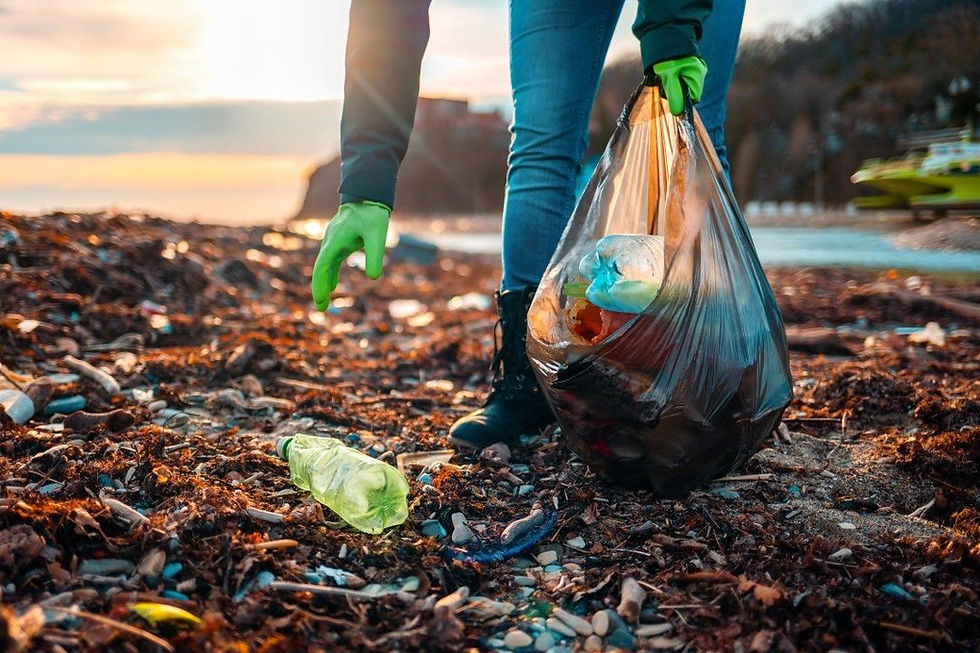
Every day, millions of tons of waste are produced around the world, and a large portion of it ends up in nature. Many people throw away plastic bags, bottles, cans, and other materials without realizing how long these items remain in the environment. Some types of waste can take decades or even centuries to decompose, causing serious harm to ecosystems, wildlife, and human health.
Understanding how long waste stays in nature is an important step toward building more sustainable habits and protecting the environment for future generations.
How Long Do Common Materials Take to Decompose?
Different materials break down at different speeds depending on environmental conditions such as sunlight, moisture, and temperature. However, many everyday products remain in nature far longer than most people expect.
Plastic Bag
A plastic bag can take approximately 10 to 20 years to decompose. Although lightweight, plastic bags are one of the most common pollutants found in rivers, forests, and oceans. They can harm animals that accidentally ingest them or become trapped inside them.
Plastic Bottle
Plastic bottles may take around 450 years to fully decompose. During this process, they break down into smaller particles called microplastics, which contaminate soil and water and can enter the food chain.
Aluminum Can
An aluminum can can remain in nature for approximately 200 years. However, aluminum is highly recyclable, meaning recycling cans can significantly reduce environmental damage and save energy.
Glass Bottle
Glass bottles may take up to 1 million years to decompose naturally. Fortunately, glass can be recycled repeatedly without losing quality, making recycling an essential solution.
Cigarette Butt
Cigarette filters contain plastic fibers and can take around 10 years to decompose. They are among the most commonly littered items worldwide and release toxic chemicals into the environment.
Food Waste
Organic waste such as fruit peels and leftover food generally decomposes within weeks or months, but when wasted in large quantities, it contributes to methane emissions in landfills and increases environmental pollution.
Why Is Waste Pollution Dangerous?
Waste pollution affects ecosystems, biodiversity, and public health. Plastic waste in oceans harms marine animals, while chemicals from improperly disposed materials can contaminate water and soil. Excessive waste production also increases greenhouse gas emissions and accelerates climate change.
In addition, littered environments negatively affect communities by reducing the quality of public spaces and creating health risks.
How Can We Prevent Waste Pollution?
Preventing waste pollution requires both individual and collective action. Small daily habits can make a significant difference when adopted consistently.
Reduce Single-Use Plastics
Using reusable bags, bottles, and containers helps reduce plastic waste significantly. Avoiding unnecessary packaging and disposable products is one of the most effective ways to protect the environment.
Recycle Properly
Sorting waste correctly and using recycling systems helps materials such as glass, aluminum, paper, and plastic re-enter production cycles instead of ending up in nature.
Support Sustainable Products
Choosing environmentally friendly and durable products reduces waste generation over time. Supporting local and sustainable businesses also encourages responsible production practices.
Participate in Community Clean-Ups
Environmental clean-up campaigns help remove waste from public spaces while raising awareness about pollution and sustainability.
Educate and Raise Awareness
Environmental education is essential for creating long-term change. Teaching young people and communities about waste management and sustainability encourages more responsible behavior.
Building a Cleaner Future Together
Protecting the environment is a shared responsibility. Every plastic bottle recycled, every reusable bag used, and every piece of litter collected contributes to a healthier planet. Although waste pollution is a global challenge, collective action and sustainable habits can create meaningful change.
By understanding the impact of waste and making conscious choices in daily life, individuals and communities can help build a cleaner, greener, and more sustainable future for generations to come.


