.png)
The Role of Erasmus+ Projects in Environmental Education
- Asociación PAFF

- May 8
- 2 min read

Erasmus+ projects play an important role in strengthening environmental education across Europe and beyond. By connecting organizations, educators, and young people from different countries, the programme creates opportunities to share knowledge, experiences, and practical solutions related to sustainability and climate action. This international cooperation helps participants understand environmental issues from a broader, global perspective.
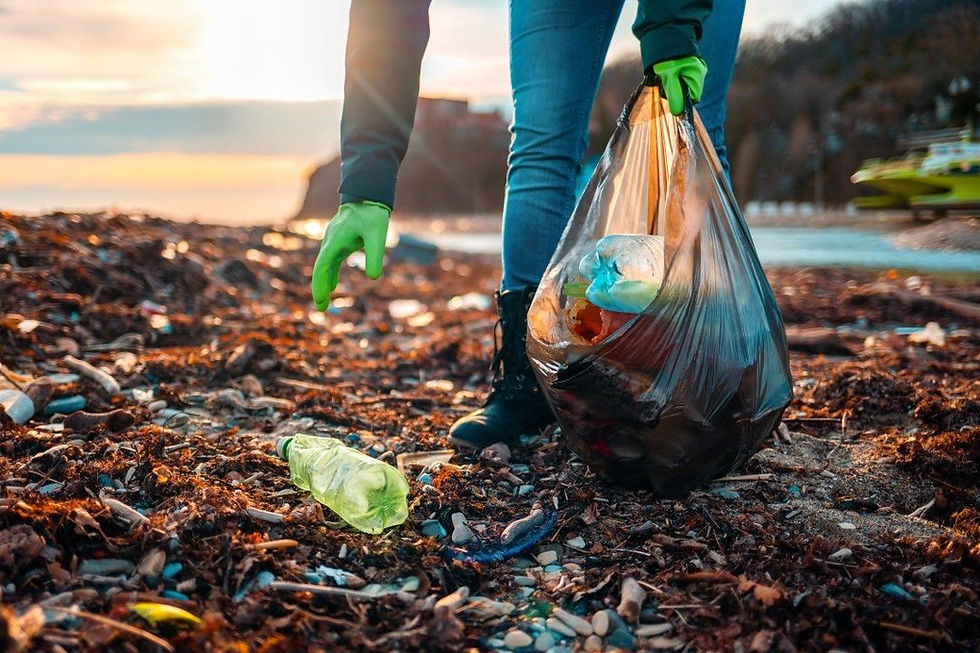
One of the key strengths of Erasmus+ is its focus on learning through experience. Instead of only theoretical knowledge, participants often take part in workshops, field activities, and community projects that directly address environmental challenges. These hands-on activities, such as recycling campaigns, clean-up actions, or tree planting initiatives, help young people develop a stronger sense of responsibility toward nature.
Erasmus+ projects also encourage intercultural exchange, which is essential in environmental education. Climate change and ecological issues are global problems that require collective action. When young people from different countries work together, they not only learn about environmental protection but also about different cultural approaches to sustainability. This exchange fosters cooperation, empathy, and shared commitment to protecting the planet.
Another important aspect is capacity building. Many participants gain new skills in leadership, teamwork, project management, and communication through Erasmus+ activities. These skills are valuable not only for environmental initiatives but also for their personal and professional development. As a result, participants are better equipped to become active citizens and future leaders in sustainability.
Erasmus+ projects also support innovation in environmental education. Organizations involved in these programmes often develop new teaching methods, digital tools, and creative approaches to raise awareness about environmental issues. This innovation helps make environmental education more engaging, accessible, and relevant for young people.
In addition, the programme strengthens partnerships between schools, NGOs, and local communities. These collaborations ensure that environmental education is not limited to classrooms but extends into real-life contexts. Communities benefit from shared projects, while participants gain practical experience in addressing local environmental challenges.
Overall, Erasmus+ projects serve as a powerful tool for promoting environmental awareness and action. By combining education, collaboration, and practical engagement, they help empower young people to take meaningful steps toward a more sustainable future.