.png)
Nature, Education, and Youth: A Shared Responsibility
- Asociación PAFF

- Apr 27
- 2 min read

Environmental challenges are no longer distant issues. They are part of daily life, shaping the way communities live, learn, and grow. Addressing these challenges requires more than policies or individual actions. It requires education and the active involvement of young people.
Education as the Starting Point
Education plays a central role in shaping environmental awareness. When young people understand how ecosystems function and how human activity affects nature, they are more likely to adopt responsible behaviors.
Environmental education is not limited to classrooms. Workshops, community activities, and hands-on experiences often have a stronger impact because they connect knowledge with real-life situations.
Youth as Active Participants
Young people are not only future decision-makers. They are already active contributors to environmental change. Their energy, creativity, and adaptability make them key actors in sustainability efforts.
When youth are involved in environmental projects, they often:
Develop stronger awareness of ecological issues
Build practical problem-solving skills
Gain leadership experience
Encourage others in their communities to take action
This participation turns learning into engagement.
Learning Through Experience
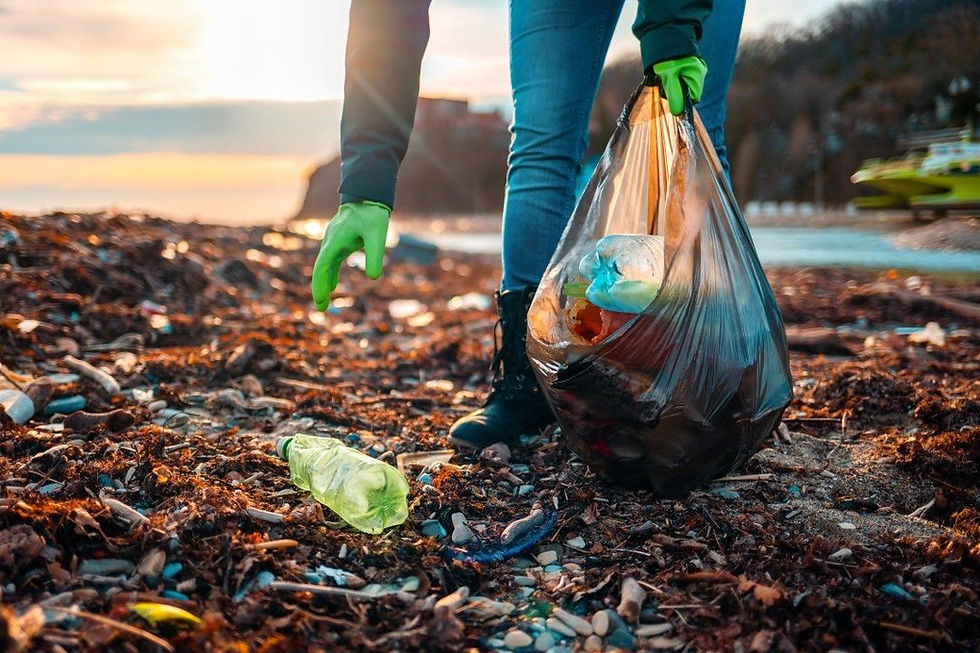
Direct interaction with nature is one of the most effective ways to build environmental responsibility. Activities such as tree planting, clean-up campaigns, and biodiversity projects help individuals understand the impact of their actions in a tangible way.
These experiences create a deeper connection with the environment than theoretical knowledge alone.
The Link Between Education and Responsibility
Education does more than provide information. It shapes values and behaviors. When environmental topics are integrated into learning processes, they help form a sense of responsibility toward nature.
This responsibility becomes stronger when combined with participation in real projects and community initiatives.
Shared Responsibility for the Future
Protecting the environment is not the task of a single group. It is a shared responsibility between individuals, educators, organizations, and communities.
Young people, supported by education and practical opportunities, can play a leading role in shaping a more sustainable future.
Nature, education, and youth are closely connected. When these elements come together, they create a strong foundation for environmental awareness and action.
Building a sustainable future depends on how well we integrate learning with real-world engagement and how effectively we empower young people to take part in that process.