.png)
Think Global, Act Local: How Small Communities Shape Environmental Change
- Asociación PAFF

- Apr 1
- 2 min read

Global environmental challenges such as climate change, biodiversity loss, and pollution often feel too vast for individuals to influence. However, meaningful change frequently begins at the local level. Small communities, driven by shared values and collective action, play a crucial role in addressing these global issues. By focusing on practical, community-based initiatives, individuals can contribute to a broader movement that shapes environmental outcomes far beyond their immediate surroundings.
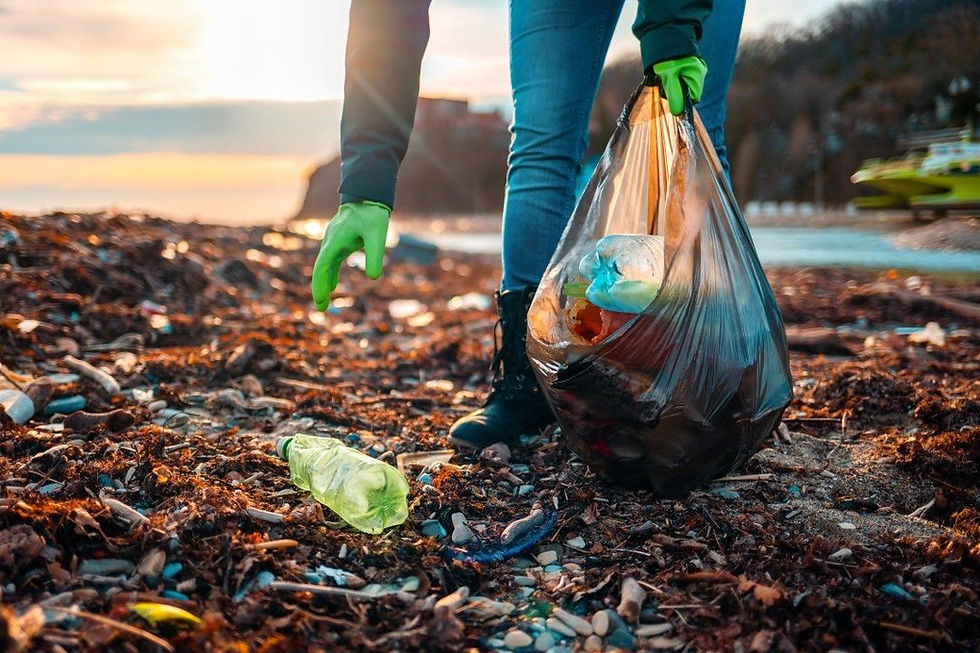
Local initiatives such as community gardens, clean-up campaigns, and recycling programs demonstrate how small actions can create tangible impact. Community gardens, for example, promote sustainable food systems, reduce carbon footprints, and strengthen social bonds. Similarly, clean-up actions not only improve local environments but also raise awareness about waste management and consumption habits. These initiatives serve as visible reminders that change is both possible and achievable.
Grassroots movements are particularly effective because they are rooted in local needs and realities. Unlike large-scale policies that may take years to implement, community-driven efforts can respond quickly and adapt to specific challenges. They also encourage active participation, giving individuals a sense of ownership and responsibility. This engagement is essential for building long-term commitment to environmental sustainability.
Importantly, local actions often have a ripple effect. Successful initiatives can inspire neighboring communities, influence public opinion, and even shape policy decisions. When local projects gain visibility, they can attract support from institutions, organizations, and policymakers, helping to scale their impact. In this way, grassroots efforts act as catalysts for broader environmental change.
Education and awareness are key components of this process. Community workshops, campaigns, and events help individuals understand the importance of sustainability and equip them with the knowledge to take action. By fostering environmental literacy, communities can ensure that sustainable practices become part of everyday life rather than isolated efforts.
Ultimately, “thinking global and acting local” is not just a slogan—it is a practical approach to creating lasting change. When individuals take responsibility within their own communities, they contribute to a larger, collective effort to protect the planet. Through small, consistent actions, communities can drive significant environmental progress and help build a more sustainable future for all.